
what is a laminated glass
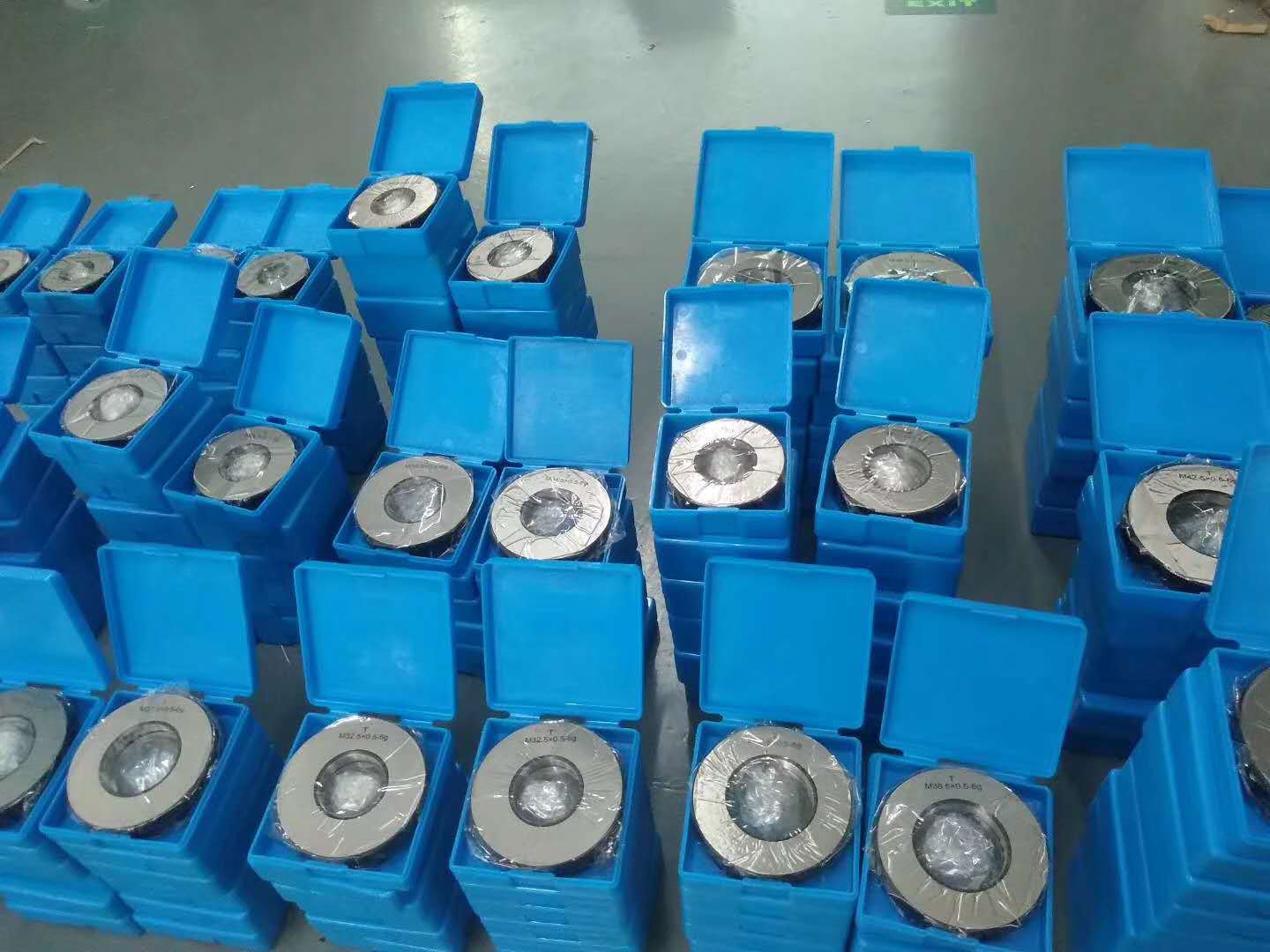
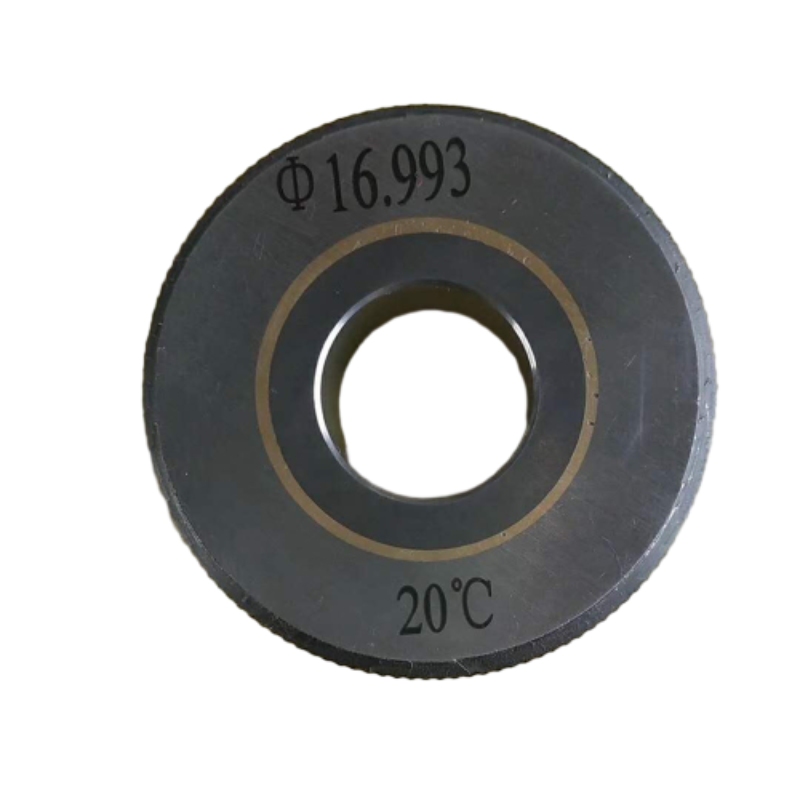
Understanding Plug Gauges and Ring Gauges Definition, Usage, and Importance In the realm of manufacturing and engineering, precision is paramount. The ability to produce components that meet exact specifications is essential for the functionality and durability of machines and structures. In this context, tooling and measuring instruments play a vital role, and among these, plug gauges and ring gauges are critical tools for quality assurance. What are Plug Gauges? Plug gauges, often referred to as go/no-go gauges, are used to measure the internal diameters of holes, ensuring that they meet specified tolerances. These gauges come in sets, typically including a go gauge and a no-go gauge. The go gauge is designed to fit into the hole if it meets the minimum size requirement, while the no-go gauge should not pass into the hole if it exceeds the maximum allowable size. For example, if a hole is intended to be 10mm in diameter, a 10mm go plug gauge would fit perfectly. Conversely, a 10.1mm no-go plug gauge would not fit, indicating that the hole is too large. This simple yet effective mechanism allows manufacturers to quickly assess whether their products fall within specified tolerances, thus ensuring quality control throughout the production process. What are Ring Gauges? Ring gauges serve a similar purpose but are applied to external features, particularly the external diameters of shafts and similar components. Like plug gauges, ring gauges also come in go and no-go configurations. The go ring gauge must slide over the diameter of the shaft with ease, confirming it meets the minimum size requirement, while the no-go gauge must not fit, signaling an oversized component. An example would be a shaft meant to have a diameter of 20mm. The 20mm go ring gauge should fit snugly, while a 20.1mm no-go ring gauge would fail to pass, indicating that the shaft is out of specification. This dual-format capability of ring gauges facilitates thorough quality checks for precision mechanical components. Importance of Plug and Ring Gauges The importance of plug and ring gauges cannot be overstated in the manufacturing landscape. Their role in ensuring dimensional accuracy is crucial for various reasons 1. Quality Assurance Gauges help manufacturers maintain high standards of precision. This is vital for industries where tolerance levels are critical, such as aerospace, automotive, and medical devices. plug gauge and ring gauge 2. Cost Efficiency Ensuring components are produced within tolerance reduces waste and rework, leading to significant cost savings. Using gauges effectively minimizes the risk of defective parts entering the supply chain. 3. Interchangeability Standardized components are essential for assembly lines where parts must fit together seamlessly. Plug and ring gauges help ensure that parts made by different manufacturers can be interchanged without issues. 4. Compliance and Certification Many industries are subject to regulatory standards that dictate acceptable tolerances for components. Plug and ring gauges help manufacturers demonstrate compliance with these standards, easing the process of certification. Best Practices for Using Plug and Ring Gauges To maximize the effectiveness of plug and ring gauges, manufacturers should adhere to certain best practices - Calibration Regular calibration of gauges ensures their accuracy and reliability. Factors such as wear and environmental changes can affect measurements over time. - Proper Handling Gauges should be handled with care. Avoid dropping or exposing them to harsh environments that could compromise their integrity. - Periodic Inspection Consistent inspection of gauging tools can prevent the use of worn or damaged gauges, thereby maintaining the quality of the products being manufactured. - Training Ensuring that personnel are trained in the proper use of gauges is crucial for effective quality control processes. Conclusion In summary, plug gauges and ring gauges are indispensable tools in the manufacturing sector, helping to ensure that components meet stringent dimensional standards. Their role in quality assurance, cost efficiency, and compatibility across components is crucial in today's precision-driven industries. By adhering to best practices in their use and maintenance, manufacturers can guarantee the accuracy and reliability of their products, thereby upholding their commitment to quality and customer satisfaction.
about
what is a laminated glass
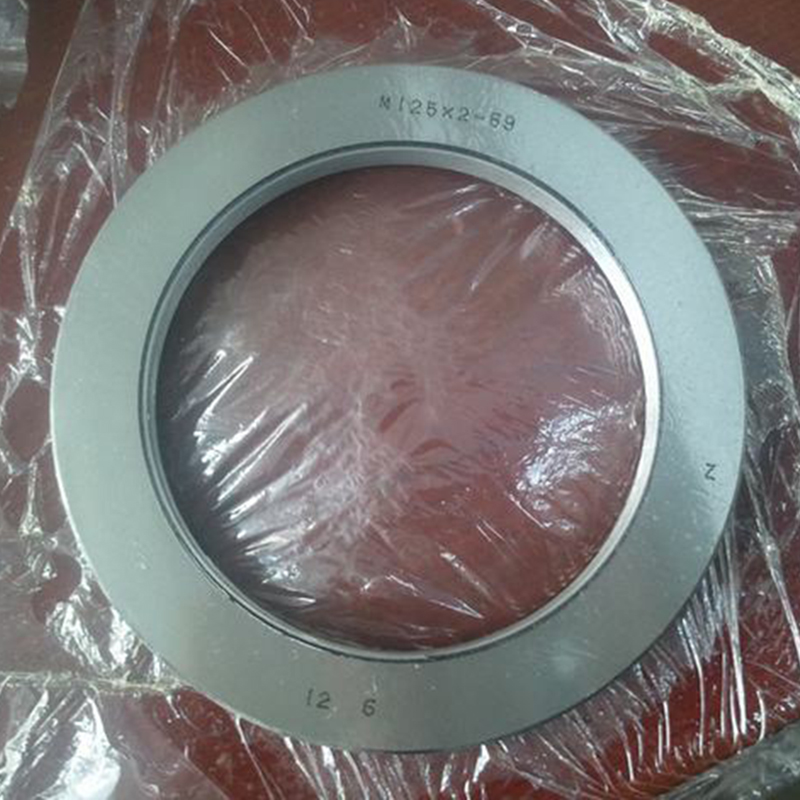
Understanding Screw Thread Plug Gauges Importance and Applications Screw thread plug gauges are pivotal instruments in the field of manufacturing and engineering, particularly when it comes to ensuring the accuracy and reliability of threaded components. These gauges are specialized tools designed to check the acceptability of internal threads in various mechanical parts. Their application spans across several industries including automotive, aerospace, and general manufacturing. What is a Screw Thread Plug Gauge? A screw thread plug gauge is a measuring instrument that is used to determine the functional characteristics of screw threads. This gauge is usually cylindrical in shape and is equipped with a threaded end that matches the specifications of the thread being measured. Plug gauges come in two varieties the go gauge and the no-go gauge. The go gauge is designed to fit into the threaded hole if the internal threads are within the specified tolerances, whereas the no-go gauge should not fit if the threads are within specification. This two-gauge system allows for a straightforward pass/fail type of assessment. Importance in Quality Control The precision of threaded components is critical for the overall functionality and safety of machinery. Any deviations in thread dimensions can lead to improper fits, which can result in mechanical failures or even catastrophic accidents. Therefore, screw thread plug gauges play a crucial role in quality control processes. Manufacturers often utilize these gauges at various stages of production to ensure that every threaded part meets the necessary specifications before it continues down the production line. Standards and Specifications screw thread plug gauge Screw thread plug gauges conform to various international standards such as ANSI (American National Standards Institute), ISO (International Organization for Standardization), and ASME (American Society of Mechanical Engineers). These standards dictate the allowed tolerances for different types of threads, such as UNC (Unified National Coarse), UNF (Unified National Fine), and metric threads. Utilizing the correct gauge for the corresponding standard is vital for ensuring compatibility and performance in assembled products. Applications Across Industries In the automotive industry, screw threads are ubiquitous in the assembly of engines, transmissions, and various components. A small flaw in a threaded connection can result in significant issues such as oil leaks or mechanical failure. In aerospace, where safety and reliability are paramount, the importance of accurate screw thread measurement cannot be overstated. In manufacturing sectors, screw thread plug gauges are used to ensure consistency across large batches of threaded products, contributing to overall manufacturing efficiency and reducing costly errors. Maintenance and Calibration To ensure their effectiveness, screw thread plug gauges must be regularly maintained and calibrated. Any wear or damage to the threads can affect the accuracy of the measurements. Periodic checks against certified standards help maintain their reliability. Keeping these gauges in good condition is essential for adhering to quality assurance protocols and ensuring that manufactured parts meet the necessary specifications. Conclusion Screw thread plug gauges are indispensable tools in the manufacturing realm, serving as an essential means of verifying the integrity of threaded components. Their application not only boosts the quality of individual parts but also enhances the overall safety and performance of machinery and equipment. As industries continue to pursue higher standards of precision and reliability, the role of screw thread plug gauges will only become more prominent, solidifying their position as a critical element in quality control methodologies. By ensuring the accuracy of threaded components, manufacturers can mitigate risks, improve product performance, and enhance customer satisfaction, reaffirming the significant value of these simple yet vital tools in modern engineering and manufacturing practices.
-

High quality industrial productsagement

High quality industrial products
View Details -

Meet the diverse needs of customers

Meet the diverse needs of customers
View Details -

Strict quality control

Strict quality control
View Details -

Top raw materials

Top raw materials
View Details -

Trusted supplier

Trusted supplier
View Details
Our application


news and information

v block price
Understanding V Block Price An Overview In the ever-evolving landscape of digital currencies and bl
ventil metall
Valvemetaller En Djupdykning i deras Egenskaper och Användningar Valvemetaller är en viktig klass av
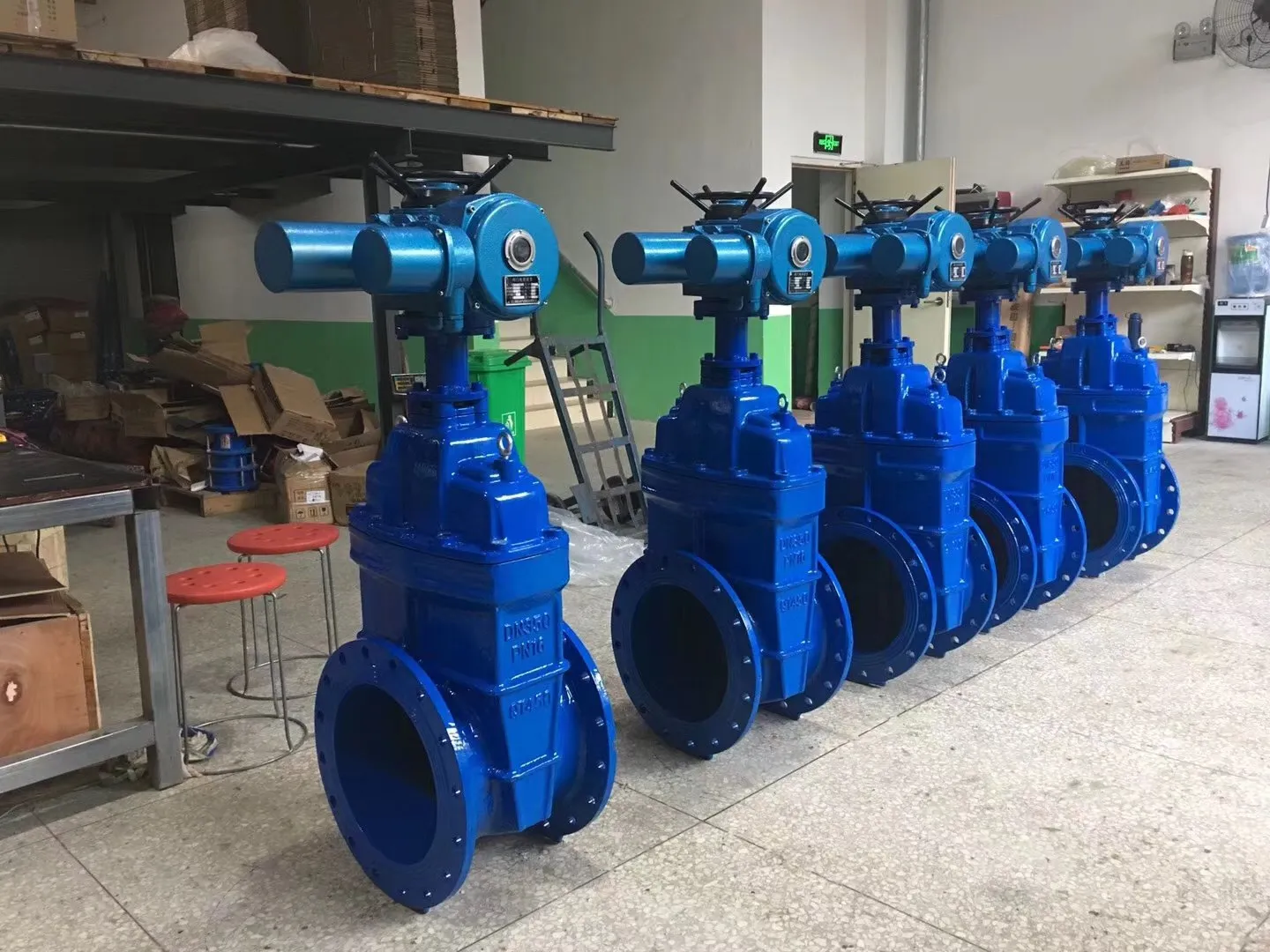
Y-Type Cast Iron Strainer for Efficient Fluid Filtration and Flow Control
The Importance of Cast Iron Y-Type Strainers in Industrial Applications In various industrial applic
 English